Peer-to-Peer Lending: A Better Alternative to Microfinance Organizations and Pawnshops
Microfinance organizations and pawnshops have long been a popular source of credit for people who are unable to access traditional banking services. However, these options often come with high interest rates and strict repayment terms, making it difficult for borrowers to break free from debt. Peer-to-peer lending has emerged as a new alternative for those seeking credit, offering lower interest rates, more flexible terms, and a more transparent lending process. In this article, we’ll take a closer look at peer-to-peer lending and explore how it can provide a better alternative to microfinance organizations and pawnshops.
What is Peer-to-Peer Lending?
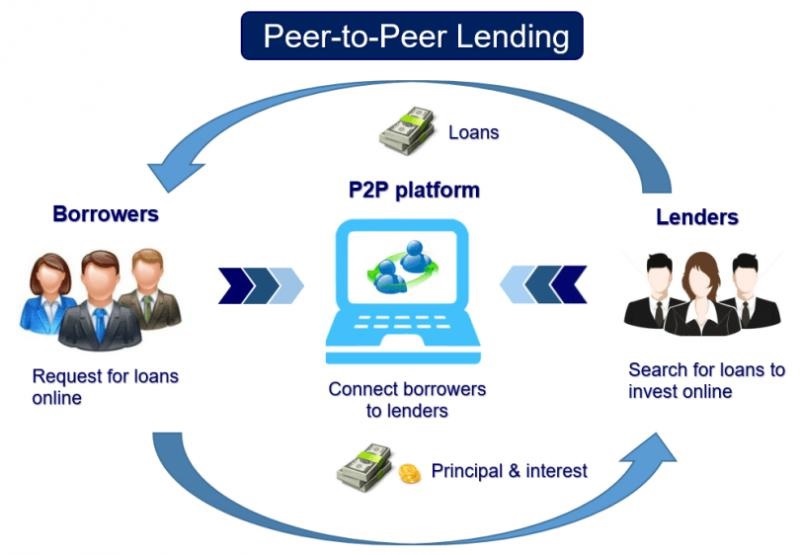
Peer-to-peer lending, also known as P2P lending, is a form of lending that connects borrowers directly with individual lenders through an online platform. These platforms act as intermediaries, facilitating the lending process and providing a secure and transparent environment for both borrowers and lenders.
In P2P lending, borrowers can apply for loans and set their own interest rates and terms. Lenders can then choose to invest in these loans, providing the necessary funds to borrowers. The loans are typically repaid over a fixed term, with interest paid to the lenders.
Why P2P Lending is a Better Alternative
P2P lending offers several advantages over traditional microfinance organizations and pawnshops. Some of the key benefits include:
Lower Interest Rates: P2P lending platforms often offer lower interest rates than microfinance organizations and pawnshops, making it easier for borrowers to pay back their loans and break free from debt.
More Flexible Terms: Borrowers can set their own interest rates and terms in P2P lending, allowing them to tailor their loans to their specific needs and circumstances. This can make it easier for borrowers to manage their debt and avoid default.
Transparent Lending Process: P2P lending platforms provide a transparent lending process, with clear terms and conditions and no hidden fees. This can help borrowers make informed decisions and avoid falling into debt traps.
Easy Access: P2P lending platforms are typically accessible to anyone with an internet connection, making it easier for borrowers to access credit from the comfort of their own homes.
Conclusion
Peer-to-peer lending has emerged as a new alternative to microfinance organizations and pawnshops, offering lower interest rates, more flexible terms, and a more transparent lending process. With the rise of digital platforms, P2P lending has become more accessible and easier to use, providing a viable option for those seeking credit. While it is important to carefully consider the risks and benefits of any lending option, P2P lending can be a useful tool for those seeking to manage their debt and improve their financial well-being.
About The Author
